Would Your Facility Be Ready in an Emergency?
Sophia Agreda, MS, RDN
Let’s be honest… most facilities think they’re prepared for an emergency.
But when you really stop and ask the question “Are we actually ready for 3 to 5 days without normal operations?”, that’s where things get a little less clear.
Emergency preparedness in long-term care is not just about having a plan on paper. It’s about making sure your residents can be safely nourished, hydrated, and cared for no matter what happens.
Let’s break down what that really looks like.

Start With The Basics: Water
Water is one of the most overlooked but most critical pieces of emergency planning.
A good rule of thumb is:
At least 1 gallon of water per person, per day
Plan for a minimum of 3 to 5 days
And in long-term care, that’s often not enough.
Think about:
Residents with higher medical needs
Hot climates or heat waves
Increased fluid needs due to medications or conditions
What About Food?
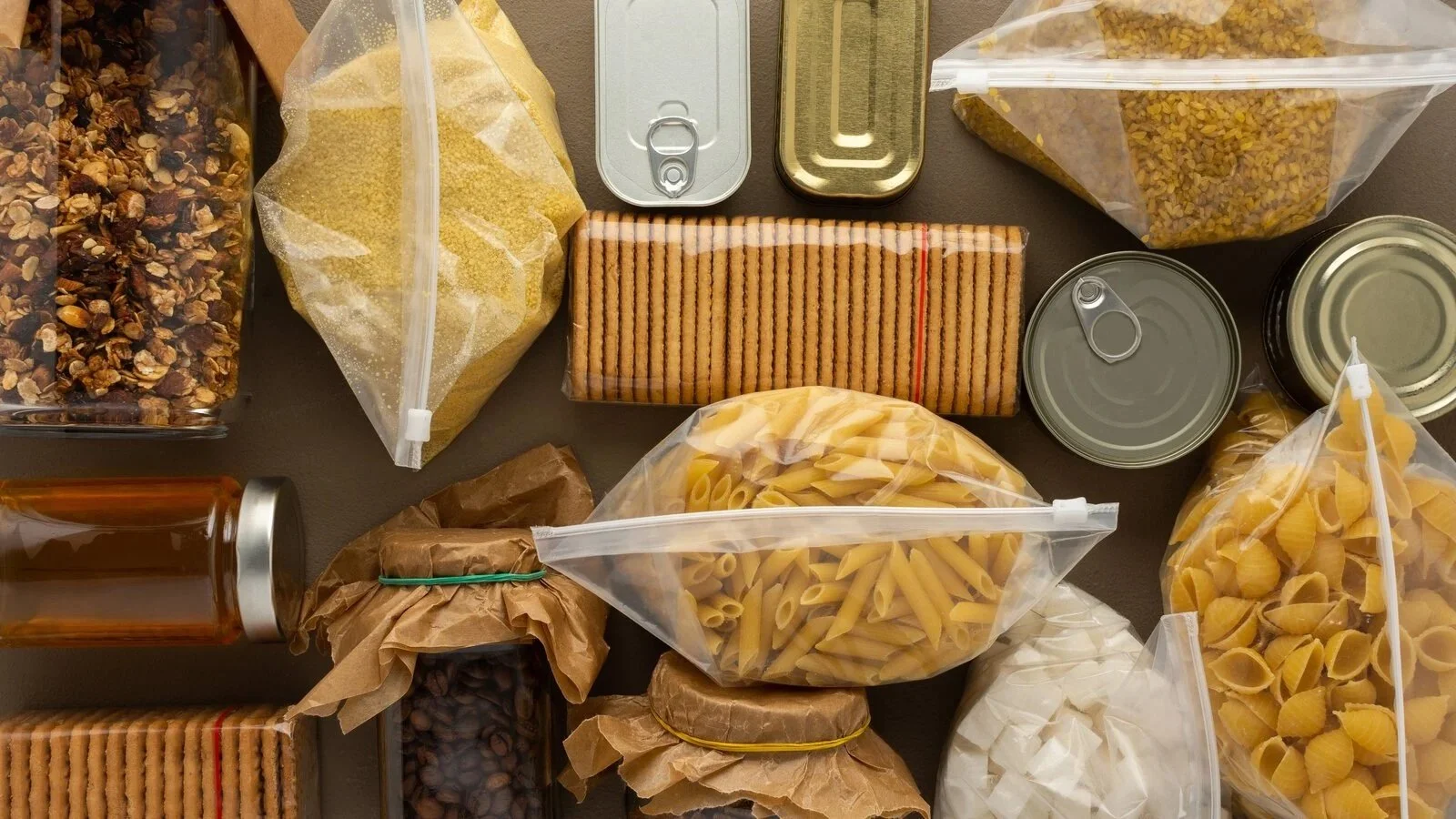
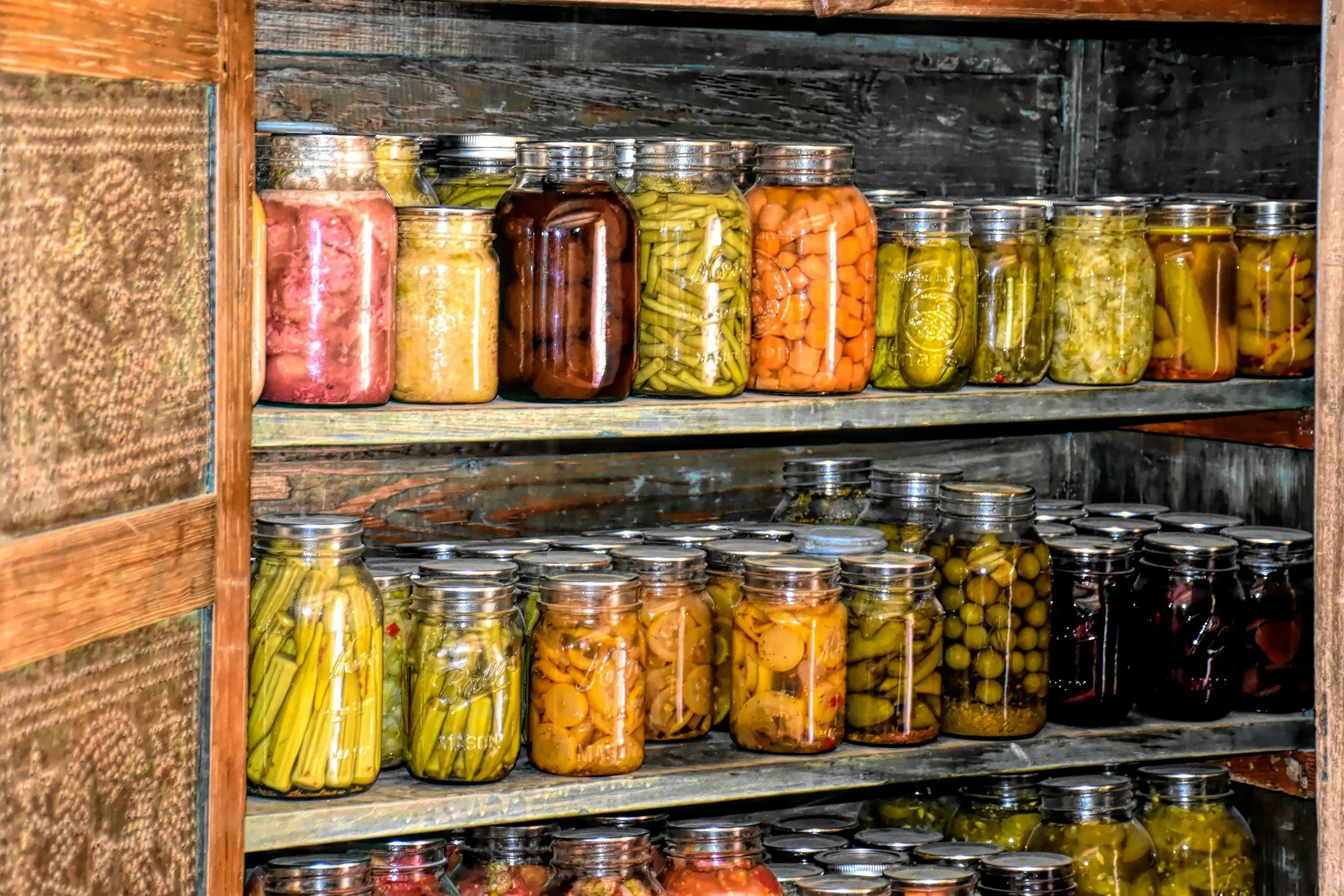
In an emergency, your kitchen may not be fully operational. That’s why shelf-stable foods are essential.
Some solid options include:
Canned proteins like tuna, chicken, and beans
Ready-to-eat shelf-stable meals
Crackers, cereals, and shelf-stable milk
Electrolyte beverages when appropriate
These are practical, accessible, and require minimal preparation, which is exactly what you want in a crisis.

Freeze-Dried vs. Canned: What’s Better?
Both options have a place, but they serve different purposes.
Freeze-dried foods:
Have a long shelf life
Are lightweight and easy to store
Require water to prepare
Canned foods:
They are ready to eat, often need minimal heating
More accessible for immediate use
Heavier and have a shorter shelf life
The best approach is not choosing one over the other, but using a combination of both depending on your facility’s needs and resources.
The Part Everyone Forgets
Stocking food and water is one thing … maintaining it is another.
Ask yourself:
Are expiration dates being checked regularly?
Is inventory being rotated using FIFO?
Can all residents easily access what they need?
Because having supplies that are expired, inaccessible, or disorganized is almost the same as not having them at all.
Here are two simple questions every facility should be able to answer immediately:
Are we covered for at least 3 to 5 days?
When was our last inventory check?
If there’s hesitation in answering either of those, that’s your sign to revisit your emergency preparedness plan.

Final Thought
Emergency preparedness is not about being perfect.
It’s about being proactive.
A well-prepared facility does not just respond to emergencies; it protects its residents before a crisis even happens.